- PhilaScan
- Guides
How to tell if a stamp is valuable
Most stamps are common, and that is perfectly normal. A few are worth real money, and the difference usually comes down to scarcity, demand and condition. Here is how collectors judge stamp value, step by step.
Is my stamp valuable? The short answer
A postage stamp's value depends on three things working together: how many copies survive (scarcity), how many collectors want one (demand) and the state your copy is in (condition). A stamp can be old and still common, because many issues were printed in enormous quantities and saved by generations of collectors. A stamp can also be fairly recent and sought after, if something about it is unusual. So the honest starting point is this: the large majority of stamps found in albums, envelopes and shoeboxes are worth little individually. That is not a disappointment, it is simply how the hobby works. The few valuable ones are found by looking carefully, one feature at a time.
Before you think about stamp worth, identify the stamp: country, year of issue, design, denomination and, where it matters, the perforation and watermark. Only then can you look it up in a stamp catalogue and judge where your copy sits against the catalogue description.
Condition: the factor you can check yourself
Two copies of the same stamp can differ hugely in value because of condition. Look at the stamp under good light, front and back, ideally with a magnifier. Faults that reduce value include:
- Thins: spots where paper has been lifted from the back, often by careless hinge removal. Hold the stamp against light or look at the back at an angle.
- Tears and creases: even a small crease breaks the paper fibres and counts as a fault.
- Short or pulled perforations: teeth that are torn off, shorter than the others, or ripped into the design.
- Toning and foxing: brownish spots or discolouration caused by damp storage.
- Fading: colours weakened by sunlight or by soaking in water when the ink was not water-fast.
Centering
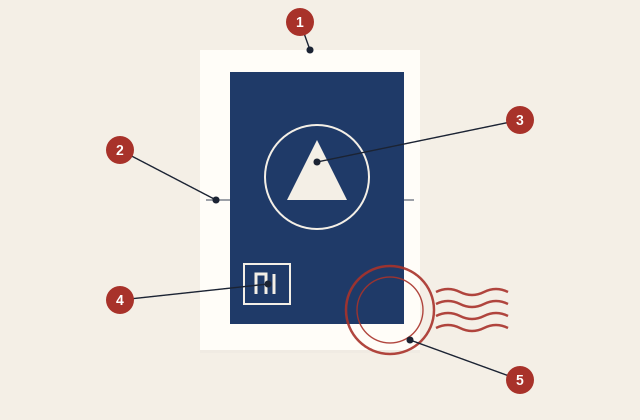
Centering describes how evenly the design sits inside the perforations. Compare the four margins: if they are roughly equal, the stamp is well centred; if the design touches or is cut by the perforations on one side, it is poorly centred. For many older issues, where perforating machines were imprecise, a well-centred copy is genuinely scarce and commands a clear premium over an off-centre one of the same stamp.
Gum and hinges
For unused stamps, the back matters as much as the front. Collectors use these terms:
| Term | Symbol | What it means |
|---|---|---|
| Mint never hinged (MNH) | ** | Full original gum, untouched, no trace of a hinge |
| Mint hinged (MH) | * | Original gum with a hinge mark or a small hinge remnant |
| Unused without gum | (*) | Never postally used, but the gum is missing |
| Used | (postmark) | Cancelled through the post; gum normally gone |
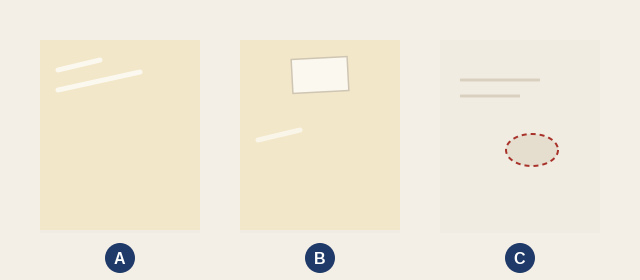
For much of the twentieth century, never hinged copies sell well above hinged ones. For classic nineteenth-century issues the picture is different: many survive only hinged or without gum, and some "never hinged" examples have in fact been regummed. Regumming is a known practice, which is one reason why expensive mint stamps are often sold with a certificate.
Perforations
Complete, even teeth on all sides are part of good condition. Perforations also identify varieties: the same design can exist in two or three different perforation gauges, and one may be far scarcer than the others. Measuring them takes a minute with a gauge; our guide on how to measure perforations explains the method. Be wary of "imperforate" stamps with narrow margins: trimming the perforations off a common perforated stamp to imitate a scarcer imperforate one is an old trick.
Cancels and postmarks
On used stamps, the cancel can add or remove value:
- A light, clear cancel that leaves the design visible is generally preferred to a heavy, smudged one.
- A socked-on-the-nose cancel, a complete dated postmark struck squarely in the centre, is sought after by many collectors because it shows place and date.
- Manuscript or pen cancels can mean postal use on some early issues, but often indicate fiscal use (the stamp paid a tax or fee rather than postage). Fiscally used copies are usually worth much less than postally used ones.
- Cancelled-to-order stamps were cancelled in sheets by the issuing authority and often still have full gum. They are common and normally of little value.
Watermarks
A watermark is a pattern pressed into the paper during manufacture. Different watermarks, or a watermark printed sideways or inverted, can separate a common stamp from a scarce one. To see it, place the stamp face down on a dark surface or in a black watermark tray; sometimes that alone is enough. Watermark fluid makes it clearer, but follow the product instructions carefully: some solvents can damage photogravure and many modern stamps. Never soak self-adhesive stamps, and do not soak stamps on coloured envelopes whose dye may run.
Varieties and errors
Printing errors attract strong interest: colour shifts, missing colours, inverted centres, double prints and perforation errors such as stamps imperforate between a pair. Genuine major errors are scarce, because most were caught and destroyed at the printer. Minor misperforations and small shifts are far more common and usually worth only a modest premium. Fakes and repairs exist too: chemically removed colours, painted-in details, reperforated edges and filled thins. If a stamp looks like a famous error, assume it needs expert confirmation.
Demand and the common-versus-rare reality
Scarcity alone does not create value; someone has to want the stamp. Popular countries, classic periods and well-loved themes have many buyers, while equally scarce stamps from less collected areas may sell slowly. Modern mint stamps are a frequent surprise: they were produced in large numbers and saved by many people, so they often trade at or close to face value. Large albums of everyday used stamps are valued mostly as a whole, not per stamp. Accepting this saves time and helps you focus on the pieces that genuinely stand out. If you have just been handed a whole collection, start with our guide on what to do with an inherited stamp album.
When to get a stamp appraisal or certificate
A catalogue figure is a reference point, not a sale price, and a free estimate is not an appraisal. Ask for an expert opinion before selling when:
- the stamp is listed in a catalogue at a significant amount in the condition you believe it is in;
- it is a known target for forgery, regumming or repair;
- it appears to be an error or a scarce perforation or watermark variety;
- a buyer or auction house asks for one, which is common for expensive items.
A certificate from a recognised expertiser, usually with a photograph of the stamp and a statement on genuineness and condition, makes a valuable stamp easier to sell and protects both buyer and seller. Stamp dealers and philatelic societies can tell you which expertisers are respected for the country in question.
Identify your stamps with PhilaScan
Photograph a stamp to see its country, year, issue, perforation and watermark, with a value tier. Your first identification is free; value estimates by condition come with PhilaScan Pro. Estimates, not appraisals.
Coming soonon the App Store